

Food Corn
On Pornographic Food

By 2016, the eggplant emoji was standard global parlance for phallic insinuation. A decade later, the internet has devolved so far into openly pornographic vulgarity that posting, commenting, or texting the purple emoji now seems dull. It has been superseded by the corn emoji, used specifically to skirt guidelines on apps like TikTok, where overt references to sex and sexual content result in automatic post and potentially permanent account deletion. Though, the corn emoji is not normally utilized by forward trade or midpubescent horndogs, instead mostly typed out in lieu of “porn” by anxious wives and Zoomers who are either too afraid to type out the actual word, or nervous the algorithm will resist their evangelizing about the horrors of internet pornography and relatively normal sex scenes in wide-release studio films.
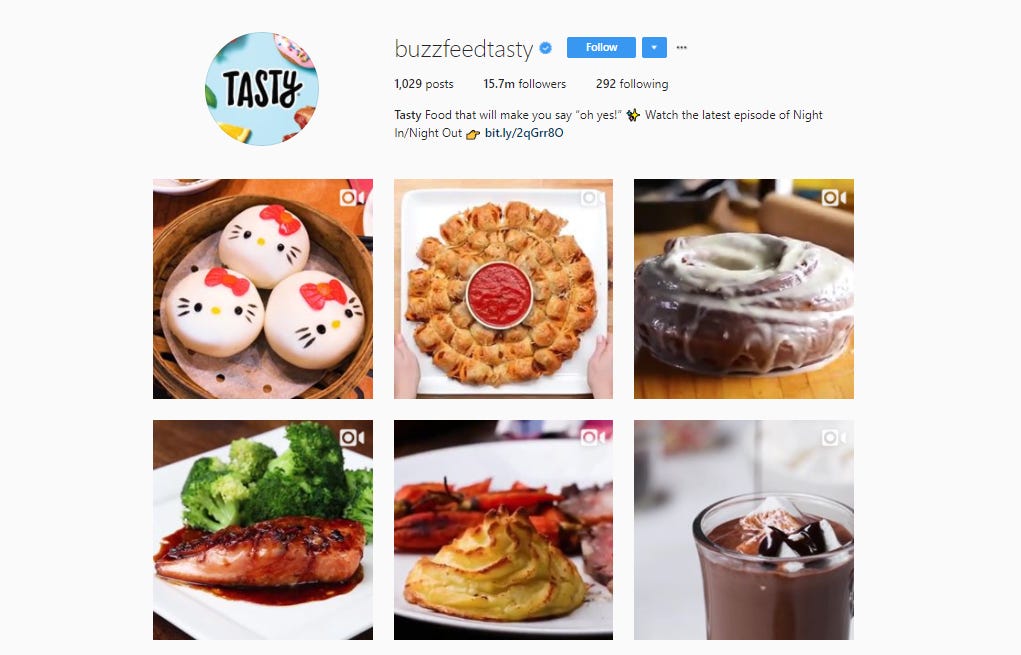
This dilution of pornography’s meaning by way of online lingua franca recalls another decades-old term of “food porn.” Though this apparently originated in the late 1970s NYRB—”gastro porn”... right—it reached critical mass during YouTube’s infancy. Remember “Epic Meal Time”? Back then, it had nothing to do with people, just plates; Hooters was barely a restaurant, just low culture drivel. By the 2010s, however, “food porn” had surpassed its Playboy Magazine era, no longer at the mercy of professional food stylists and expensive shoots. The advent of Instagram and embryonic short form, hi-definition video fragmented and democratized meal documentation. What was once painstakingly hard to achieve—making food so attractive as to stimulate horniness for eating—fell to Millennials with iPhones and relatively cheap rents, free to post photos of Dylan’s Candy Bar hauls and overstuffed shakes from Black Tap Craft Burgers & Beer.
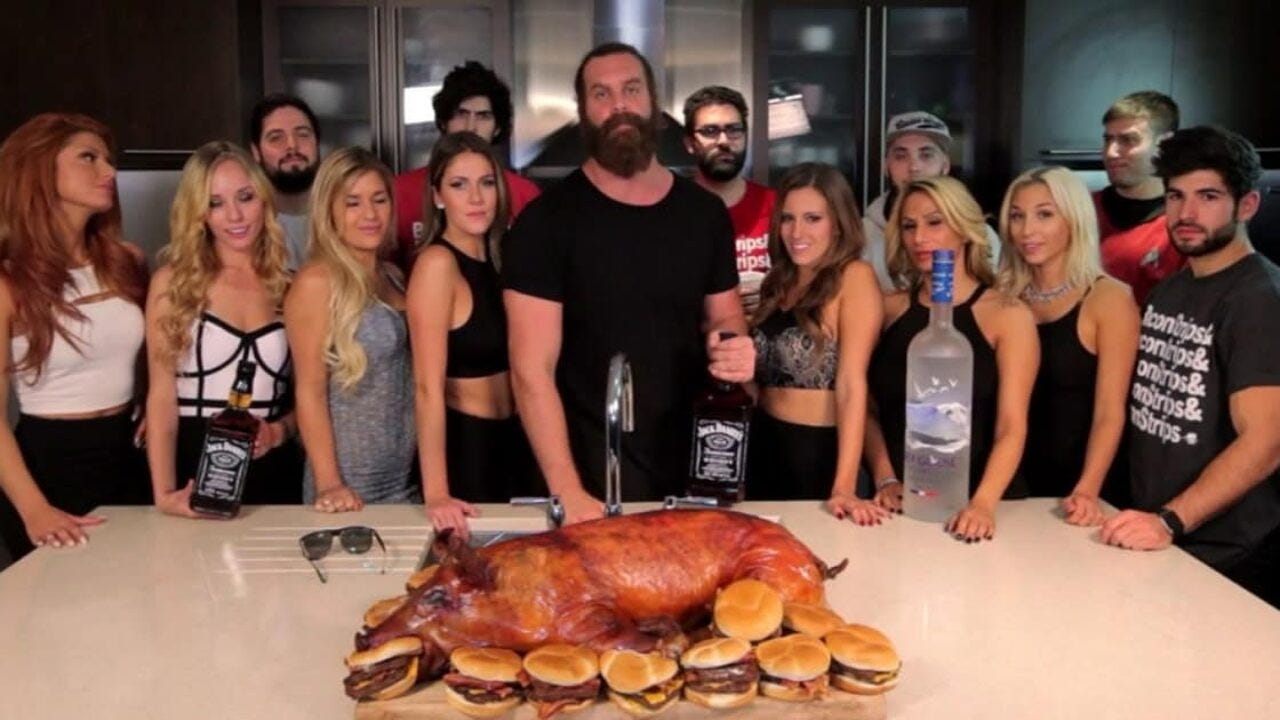
This was gastro pornography in the over-the-top vein, food with a BBL and silicone chest. It also became corporatized, as Bon Appétit began to yassify various pre-packaged childhood treats and Action Bronson traversed the globe while talking about food as though it makes him come. Gawking was easier than actual consumption, food like this isolated to the most noxious areas of urban centers. So bloggers found workarounds that tasted better, anyway: bomb ass tacos, an unbelievable burger and fries, pizza that looked even better than it tasted. The food porn began to relay something you missed out on, not completely unachievable or fetishized into oblivion. Snapping a picture of your meal became second nature, like beating off. Some videos were voyeuristic, more carnal, depending on who had an eye for detail. Posts began to be coy, too, not tagging restaurants and lending an air of individuality to what was once reserved for mass market show and tell. Comment an eggplant emoji, and maybe I’ll tell you where to get this baba ganoush.
With COVID, professionally produced test-kitchen videos and Bourdain-esque Vice-adjacent YouTube videos gave way once again to young people with camera phones. But by this time, individualism had further accelerated, and food alone was no longer the complete focus. Sure, on-screen personalities had previously participated first hand in food porn—consider Alex Delaney the Dirk Diggler of early digital food media—but with TikTok and Reels, creators took center stage. A hand holding a pita became a mouth taking a bite, reviews off the cuff instead of carefully situated within a post caption. I liken it to the explosion of pornography on platforms like OnlyFans, creators and consumers alike getting off on the immediacy and frequency of all parts of the content, algorithms promoting novel ways for this new type of media to go viral.
Since the dawn of the Food Network, beautiful women have cooked on camera. But front-facing iPhone cameras have allowed the world a new way to view NYTimes sheet-pan dinners: “hot girls who cook.” Messy bun, office siren glasses, a little hip showing, nipples protruding, nice grassy olive oil, and a bottle of vinegar that costs $30. Often, the food looks good, even great. But the food itself is not nearly as obviously pornographic as it would have been a decade or two ago. Tastes shift, delivery platforms change. Yet, I know it when I see it: this is food porn. The consumption of these videos is still under the guise of food content, triggering the same pleasure receptors as other modern, professionally produced and edited, vertically cropped cooking content. And that is not to say they are any better or worse than each other: the hot girls cooking are often followed by the same people who make DSLR filmed-videos chopping leeks on a $200 rubber cutting board. Videos share attributes: olive oil glugged out of bottles, meat slapped onto countertops, dough fingered and stretched out of a bowl. They are all peers in the food porn content ecosystem. Though, the hot girls (and guys) intrigue me most because of how openly the food content is consumed not as food porn, but regular porn.
My favorite is an American influencer named Shanny who spends her time between Italy and the suburbs of Philadelphia. She has a large mouth, often making faces that accentuate it, and a catchphrase: “namo!”, taken from the Italian phrase for “let’s go!” The first time my algorithm fed me her videos, I opened the comment section and was greeted by hundreds of men, both young and old, posting variations of “Welcome, gentlemen!” If I had to guess, these men are not watching videos of bikini-clad Shanny cooking pasta for the burrata ooze at the end. She does not seem to mind it, either: these comments boost her posts, increasing her viewership and the possibility for her to get paid. Information about restaurants and recipes and ingredients has proliferated the internet such that there is no longer clout reserved merely for knowing: everybody knows. In a fragmented, vulgar digital economy driven by clicks and horniness, everything is on offer for everything in return. Do you know who else rose to online prominence as a hot girl who cooks? Matty Healy’s fiance.

 Tiktok failed to load.
Enable 3rd party cookies or use another browser
Though, modern food porn is not limited to the creation of food. There is now a restaurant review account called “Moan Appétit” dedicated to trying different restaurants, rating each by the intensity of exasperated moan its food produces. The videos are punctuated by vulgarity of all sorts, not necessarily teases at nudity but instead mental imagery with the same general effect. I’ve never considered that a breakfast burrito may make me “open my legs,” but when you put it like that, it does sound enticing. I concede, too, that saying food will literally make you orgasm is marginally better than epic-bacon-speak that plagued Millennial hipster food porn: it at least elicits a laugh. I was at first apprehensive about something like Moan, but the account’s growth has been impressive, and I respect doing something completely novel with the form of pornographic food content. Also, I am jealous I did not invent JOI for $20 viral chicken sandwiches.
Mukbangs have existed, sure, and are to food porn what various types of fetish content are to sexually explicit porn. But that is the difference between then and now: would a well-adjusted person not feel a bit uncomfortable watching a mukbang in front of their parents? Now all food content is this. Your dad’s Facebook timeline is AI generated animals and porn with food. Like Clare has pointed out time and again: reading porn has become a normal part of mainstream culture. Now too has food porn that prioritizes the latter over the former.1 But this is the world we built for ourselves. In an influencer economy dominated by hyper individualism, how are you not to monetize the primal instincts of your followers?
And you cannot blame individuals for something corporations are also exploiting for clicks. David, the protein bar with a near impossible ratio of protein to calories, recently launched a campaign featuring Julia Fox playing up her dominatrix bonafides to show how the bar “satisfies.” A giant billboard above Canal Street recalls the famous Snickers campaign: David satisfies. Though, the message takes on a new meaning when the bar is named after a famous hot guy that everyone knows, especially one with an objectively small eggplant emoji. As if this weren’t enough, David sent PR packages for its new flavor featuring the bars—replete with golden, condom-inspired wrappers—alongside a vibrator. The accompanying text: “Pick your pleasure. Finish twice.”


This is an overstep, not because sending Emily Sundberg a sex toy isn’t funny, but because explicitly correlating magic low calorie food and sex in this way reveals the true nature of eating in 2026. Five years ago, Cazzie David wrote about being “too full to fuck,” and people laughed. Look at us now.
David Bars are inherently unsexy; consuming too much of their low-calorie fat substitute “EPG” leads to gastrointestinal issues. There is also nothing pornographic about how they look, waxy and lumpy. Their purpose is to satiate with the smallest possible caloric load: food for the macro trackers and GLP-1 users who have transcended the bacchanal qualities of food and drink in favor of the ones that will help them looksmax the fastest. And yet they’ve been fully embraced by foodfluencers and normal people alike, now stocked at Target and Walmart. For these people there are no romantic dinners at restaurants to moan to, there are no special weekend meals cooked from a cleavage-filled Reel recipe. All the desire is satisfaction, but not the eating or cooking inherent to how the best food makes you feel. It’s delicious soylent rebranded for studly bodies, chads who will only partake in food porn by watching—gooning—and never consuming.
Perhaps the corn emoji should be reclaimed on the comments under each David post, taken literally. Yes, the new marketing effort is pornographic, but also corny, and less creative than their objectively unsexy campaign of selling $50 flash-frozen cod. But the opportunity cost of exploiting pornography’s razor’s edge for clicks is much lower and far more certain, especially for a faceless corporation. Likewise, Zoomers don’t have to post about their husbands’ porn addictions at all, or sex scenes in movies, but they do it anyway, using corn emoji innuendo so as to not upset the algorithm. The respective relationships between food and the internet, sex and the internet, the individual and all three have never been so confused and intertwined. We now live within a cultural soup epitomized by addiction—to porn, to the self, to eating, to the lack thereof—that makes an eggplant emoji seem quaint in comparison. The shift from casual to decisive, from assertive to anxious sexual cartoon application reinforces the drug of choice: not food, nor GLP-1s, but pure consumption, enabled by phones.
What’s next? Sheet pan recipes featuring fully bare breasts? Despite cultural headwinds, I doubt TikTok and Instagram will ever allow outright nudity in short form videos. I predict something more subtle: a marriage of hotness, dining, eating. It’s not hard to imagine a tasteful Andrew Tarlow restaurant which also randomly features voluptuous servers: an intellectual Hooters, a post-body positivity Cafe Gitane, called “Tata’s.” You can already see the logo, the menus, the dead-eyed stares when you chuckle at the green market sourced corn and eggplant.
As I write this, a woman across the aisle from me on a cross-country flight is watching an episode of Tell Me Lies on a giant iPad wherein an older man (professor?) delivers some intense backshots to a twenty-something coed.
The only aspect I kept waiting for you to hit on was people ironically posting (and faving and reposting) pictures of shitty JSONian plates as a way to detach from the trend. (I have been guilty of both) Then, I learned about The David... I guess those guys are all Davids now.